Cloud Cost Anomaly Detection: Catch Spikes Before They Compound
· Cloud Credits Research, FinOps research
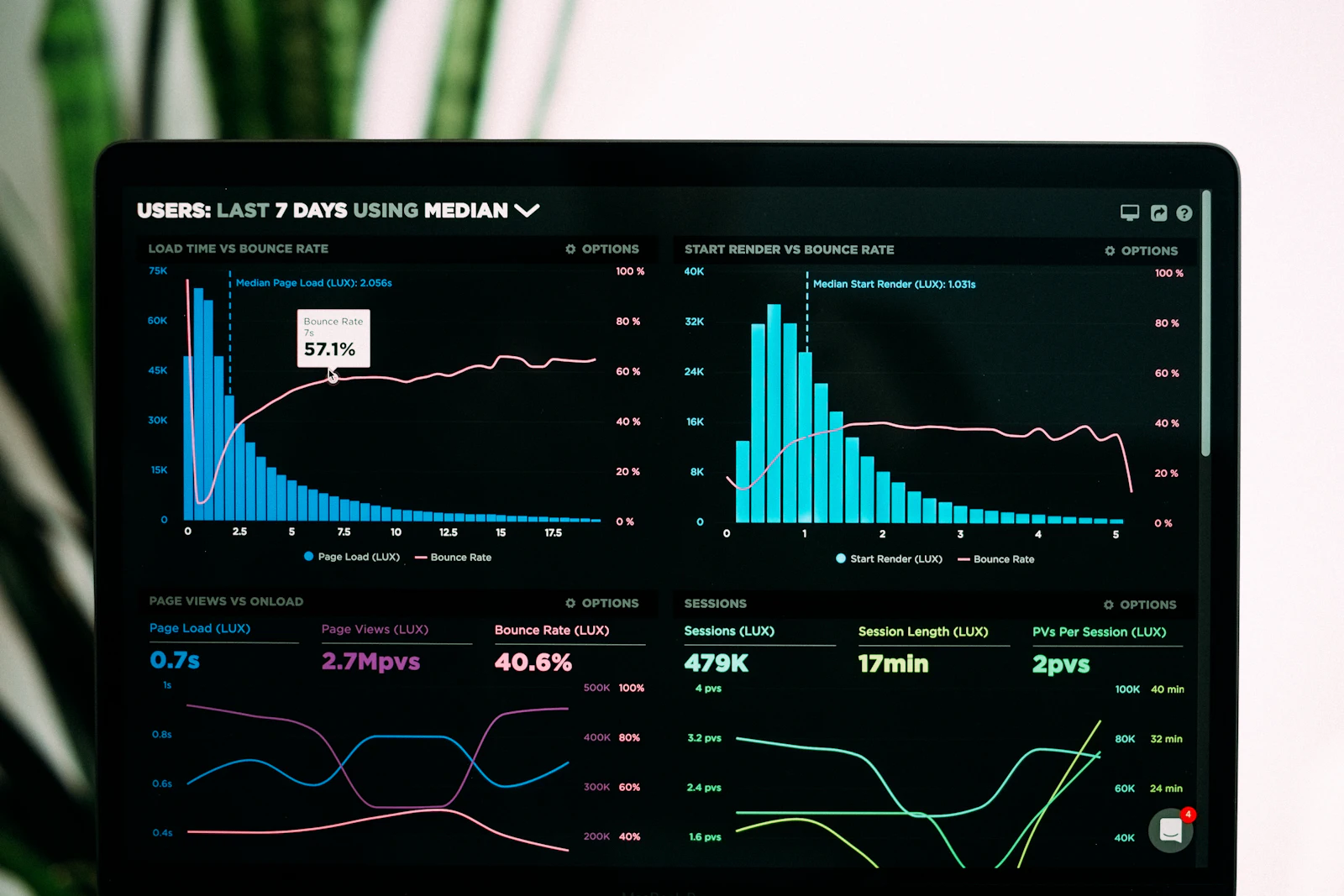
Most large cloud bills are not the result of one big decision. They are the sum of many small increments, plus the occasional spike that nobody noticed until the invoice landed. Anomaly detection exists to shrink that second category: catch the spike while it is a rounding error, not a line item.
What counts as an anomaly
An anomaly is spend that breaks your established pattern. The value of detecting it is entirely about timing. A runaway process caught on hour two costs a config change; the same process caught at month-end costs a four-figure surprise, a support case, and an awkward conversation with finance.
Common causes, roughly in order of how often they bite:
- A misconfigured or looping compute job (autoscaling that never scales back down).
- Unexpected data egress or cross-region transfer.
- A logging, tracing, or metrics pipeline that suddenly emits far more volume.
- Forgotten resources left running after a test or demo.
- A leaked credential driving crypto-mining. Rare, but the most expensive single case.
The native tools
Each provider ships detection you should turn on before reaching for anything third-party:
| Cloud | Tool | Notes |
|---|---|---|
| AWS | Cost Anomaly Detection | Monitors per service or account, sends alerts, learns your baseline |
| Azure | Cost Management anomaly alerts | Detects unusual subscription spend, integrates with budgets |
| Google Cloud | Budget and anomaly alerts | Threshold and forecast alerts on billing accounts |
Native tools are free and cover the single-cloud case well. Their main limitation is latency: billing data can lag several hours to a day, so a fast-moving spike may run for a while before the cost signal fires.
Close the latency gap
Because billing data is delayed, pair cost alerts with usage and metric alarms that fire in near real time:
- Alarm on egress bytes, request counts, or NAT gateway throughput.
- Alarm on instance count or vCPU-hours per autoscaling group.
- Alarm on log-ingestion volume for your observability pipeline.
These proxy metrics move the instant the anomaly starts, hours before the dollar figure updates. The pattern mirrors how outage monitoring works: you do not want to discover a problem by reading the aftermath. The same-day capture discipline that matters for outages (see how we frame it in why SLA credits go unclaimed) applies to cost spikes too.
Tune the thresholds so alerts stay useful
The failure mode of anomaly detection is not missing a spike; it is firing so often that people mute the channel. A few adjustments keep signal high. Set sensitivity per service, because a serverless function's spend is naturally spikier than a reserved database. Suppress known, scheduled events like a nightly batch run or a monthly billing cycle so they do not read as anomalies every time. And express thresholds as both a percentage and an absolute floor, so a 300 percent jump on a $4 service does not page anyone while a 20 percent jump on a $40,000 service does. An alert that a human trusts enough to act on is worth more than ten that get swiped away.
Make it routine, and give it an owner
- Turn on native detection today. It is free and takes minutes.
- Set thresholds per team or tag, not one global number, so a small team's anomaly is not drowned out by a large team's normal.
- Route alerts to a channel a human watches, with a named owner, the same way an incident template names a claim owner.
- Do a monthly review of what fired and what it cost, folded into the same audit rhythm as finding billing errors in cloud invoices.
Where anomalies connect to recovery
A cost spike and a billing error are cousins: both are money leaving quietly. Two more sources sit next to them. Overbought commitments (covered in Reserved Instances vs Savings Plans) leak the same way, and when a provider outage causes the disruption behind a spike or an SLA breach, credits are owed. Track live incidents at awsdown.com, azuredown.com, and gcpdown.com, then size the credit with the SLA calculators at cloudslacredit.com.
The AWS, Azure, and GCP playbooks and the resources library turn all of this into checklists. Automating anomaly-to-recovery end to end is what our sponsor Next Signal builds. Start with the blog or a fast recovery estimate.

